Tuesday, January 18, 2022

CURB APPEAL FOR YOUR COUNTRY HOME


Everyone knows that curb appeal is very important if you are trying to sell your property.  There are numerous articles on the internet that will give you tips and pointers for curb appeal pertaining to city homes.  However, it is very hard to find tips on curb appeal for the country or rural property.  But no worries, the Rural KC Team is here to help.  

Make Your Porch Stand Out

One way to increase your curb appeal is to find ways to make your porch stand out and really draw the attention of visitors. There are several ways to accomplish this, with one of the most basic being a good use of color.  Now, I've noticed that a few of the rural property owners around here have accomplished this by putting a sofa or easy chair on their porch.  The furniture is usually put there until they can get enough pieces for an epic bon fire next Saturday night, but ole' Jake, the three-legged dog-he only has three legs because he got hung up in your coyote trap-has decided that that easy chair suits him just fine.  Add some red to your front door, either by painting the entire door or by adding red trim or decorations, as red really draws the eyes and puts a visitor’s focus on the entry to your home.  Word of warning here; the deer blood that came off your hands and coveralls when you tried to open the front door after processing your kill does not count.  Tasteful, colorful statues or other decorations on the porch will also help to draw the eyes and make your home stand out from the rest as well.  A "go to" for country homes are windchimes.  Bonus points if you use more that one make of beer cans (Natti Light, Coors, Bud Light, you get the picture) Adding a colorful wreath during the holiday season is always a winner.  My Aunt Doris had the best Christmas wreath that was made from snapping turtle shells painted green and red.  This decorative piece certainly made a big impact, and the turtle stew was pretty good too!

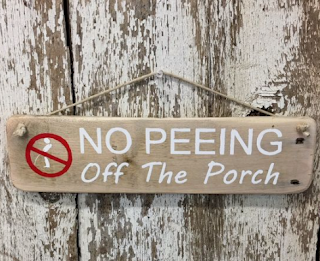
Replacing your old worn house number (or adding a house number if you previously didn’t have one on your home itself) can also make a big impact. However, in the country,  RR#2, Box #87 is just too much for your front porch.  So we suggest foregoing that tip and replacing it with a good old fashioned home made (or craft show bought) sign.  


Good Use of Decorations

There are multiple holidays that come during the winter months, but we are going to skip this section because we know that most of you still have your Christmas lights up from five years ago.  It's all good.  You do you!  

If you do feel like decorating for various holidays, there are still options available to you.  Have you ever noticed how colorful chickens are?  Oh my.  What a difference a couple of Silkies or Frizzles would make roosting on the back of that plaid couch!  You will have great visual appeal with the contrast of the chickens and Jake the three-legged blue tick hound.  Your house will be the envy of the county.  

We hope you have enjoyed this satirical blog post!  We had fun writing it.  I mean, you can't be serious all of the time-that would certainly make for a dull life. 

The Rural KC Team doesn't just specialize in buying and selling country properties-we also live the lifestyle ourselves.  Our team has been leading people to their dream country property for a couple of decades now, so we know the exact questions to ask and routes to take to make your experience as stress-free and successful as possible.  At the end of the day, there will be no surprise or roadblacks-just the promise of a peaceful country lifestyle waiting for you.

Feel free to contact us with any questions you might have.  We are here to help you!  You can also go to our website www.ruralkc.com and check out our podcast at http://ruralkc.libsyn.com/website. You can also call or text at Bill-913-837-0760 or Danicia at 913-837-0411.  Have a great day!

Tuesday, January 11, 2022

WHY WINTERIZE?


It’s around this time of year that you usually start hearing a lot about “winterization” and preparing your home for the cold months ahead. You may be wondering whether winterization really helps you get your home ready for the winter months. You might also wonder when the right time to start winterizing actually is. If you find yourself asking these questions, the answers are pretty simple. Not only should you winterize your home, but you should winterize it well before the cold weather starts moving in.

Winterizing your home can be a big job, so it’s important to understand how different winterization tasks will benefit you. The more you understand winterization as a whole, the better you’ll be at figuring out which specific winterization tasks will provide the most benefit for your home and circumstances. While it’s a large topic to cover all at once, here is some basic information to cover the whens, whys, and hows of winterizing your home.

When to Winterize

Winterization should start once the temperature starts to fall and nights start getting a lot cooler. In many areas, this is late October and early November but depending on where you live you might want to start winterizing even earlier than that. Some people think that the timing is just so that cold weather doesn’t take you by surprise, but the actual reason is a bit more practical than that.

Winterization involves a number of home maintenance and repair activities, and some of these involve adhesives, sealants, and other materials that have to cure or dry. The colder it is, the longer it takes for these materials to be set up properly. In some cases, they might even experience shrinkage or fail to set up at all if the temperature is too cold for too long. Starting winterization early enough in the fall ensures that you have enough time to get everything done before temperatures drop into the trouble zone.

How to Winterize Your Home

Winterization can be broken down into three general types of activities. These general groups are inspection, repair, and prevention. The specifics of these activities will depend on where you live and how your home is laid out, but here are the basics:

  • Inspection activities involve checking to see how barriers and equipment are holding up to make sure that they’re ready for winter. Examples include checking your roof for signs of damage, checking for drafts or other signs of window leaks or damage, and having your furnace or heat pump inspected to ensure that it’s clean and working properly.
  • Repair activities involve fixing damage and checking items off your to-do list to prevent things like drafts or unwanted animals or insects from getting into your home. Examples include fixing your siding, replacing damaged shingles, or getting repairs done to your HVAC system.
  • Prevention activities are tasks that help you to preemptively take action so that potential winter problems never come to pass. Examples include covering pipes with insulation to prevent freezing, taking window unit air conditioners out of your windows to prevent heat loss, installing thermal film over your window interiors, and disconnecting hoses from outdoor faucets before installing faucet covers to prevent leaks and freezing.

It can be a big job to cover all your winterization tasks, but each one that you complete can help you to avoid problems and even save some money over the course of the winter. Many winterization tasks are common DIY activities, though some will require a bit of professional help to complete.

Professional Winterization

It’s increasingly common for homeowners to bring in professionals to help with some or all of their winterization activities. This includes things like professional roof or HVAC inspections, calling a plumber to inspect the pipes under the house and make sure that they’re insulated, and installers to replace old drafty windows with new ones.

As always, if you are in the market to buy or sell rural real estate, give the Rural KC Team a call at 913-837-0760 or 913-837-0411.  We can help!  Have a great day.

Monday, January 3, 2022

IS IT TIME FOR NEW CABINETS?


Cabinets play an important part in the functionality of your kitchen. Unfortunately, over time you might find that your cabinets no longer really meet your needs. This could be because they’re falling into disrepair, or it may be a result of you gradually needing more storage than your cabinets can provide. You might even realize that the decoration of your kitchen and surrounding rooms just don’t match your cabinets anymore. Regardless of the reason, it could be time to consider some new cabinets.

Have you actually reached the point where you need to get new cabinets, though? If you aren’t sure, spend a little time considering how well your cabinets truly meet your needs and what it is that you ideally want. Here are a few things to think about to help you make this decision.

Cabinet Condition and Function

One of the biggest considerations when it comes to deciding if it’s time for new cabinets is how well your current cabinets really fit your current life. Your biggest things to think about here are whether the condition of the cabinets is causing you problems, and how well the cabinets actually work for what you need them for. Start with the condition, looking for any damaged areas, doors that won’t close, warped shelves, and other physical problems that you encounter when using the cabinets. If these leave you unable to use some of your space or otherwise cause problems, it may be time to do something about it.

Likewise, if you have certain items that you can’t put in your cabinets because they won’t fit, or if there are parts of the cabinets that you can’t really use due to layout reasons, then you may have an issue with the functionality of your cabinets. Sometimes this isn’t a significant enough problem to replace your cabinets, of course. If using the cabinets is inconvenient or if you have a lot of wasted space, though, something clearly needs to be done.

Cabinet Aesthetics

Even though it’s not as pressing of an issue as damaged cabinets or cabinets that you can’t use fully, having cabinets that don’t match your other furnishings can also be an issue if you’re trying to tie your design choices together. Stop and think about how well your existing cabinets go with everything else, and even whether they are visually appealing in and of themselves. Your home is an investment, and if your cabinets are taking away from your enjoyment of that investment, then it might be time to replace them.

Replacing your cabinets for aesthetic reasons can be a standalone job, or it could be something that you do as part of a larger remodeling project. If you’re only replacing the cabinets, take the time to find a new cabinet option that fits in well with your kitchen layout and the dominant design elements within the kitchen. If you’re doing a larger kitchen remodel and have decided to get rid of your ugly cabinets as a part of it, stop and think about what you want in cabinets and then use that to inform some of your other remodeling decisions.

Do You Need New Cabinets?

Whether or not you need new cabinets is a big decision, but once you’ve weighed your options you should have something of an idea of whether your current cabinets will last you a bit longer. If you do find that you need new cabinets, then finding the right cabinet maker and installer is the next step in your cabinet journey. 

As always, if you are in the market to buy or sell rural property, give the Rural KC Team-Keller Williams Partners, Inc. a call at 913-837-0760 or 913-837-0411.  Have a great day!

Monday, December 27, 2021

FIVE ESSENTIAL TIPS FOR FIRST-TIME LAND BUYERS

Whether you are purchasing it for your own enjoyment or as an investment opportunity, buying land can be a great decision - and, potentially, an overwhelming one too.  There's a lot to consider when it comes to picking out the perfect property, and experience in the housing market doesn't always directly translate into land real estate, which has its own set of rules, trends, and best practices.

Of course, you should never let a big of unknown scare you off from making what could end up being a truly fantastic investment.  And to help guide the way, we are sharing our top tips for what all first-time land buyers should know, including how to tell if a piece of land is worth your money, and how to tell when it's not.

TIP #1-ALWAYS WORK WITH A REAL ESTATE AGENT

You don't technically need a real estate agent in order to purchase land, but it is definitely recommended, especially for first-time buyers.  Nobody knows the local land market better than an experienced agent who's been helping buyers and sellers navigate it for years.  A real estate agent is also crucial when it comes to negotiating your best price, and some sellers might only want to work with potential buyers who have an agent by their side.

TIP #2-KNOW WHAT YOU HAVE TO SPEND

Land loans operate a bit differently than mortgage loans, and they are considered to be a bit riskier too.  With that in mind, you will want to be sure to figure out your financing prior to starting your search, including how much you will be able to borrow and how much cash you are going to have to invest.  Both of these are key to knowing what your total budget is so that you can optimize your search and stick to properties that make the most sense for you.

TIP #3-KNOW YOUR MUST-HAVES AND YOUR MUST-HAVE-NOTS

What is an absolute essential for you when you think about the land you want to buy?  Alternatively, what might be a dealbreaker?  Determining these factors early on will save you a lot of time in the long run, and it will also help your agent pick out the best properties for you to see.

Keep in mind that this may require a bit of research, since as a first-time buyer there may be some things you don't know yet about what features the type of land you are interested in needs to include.

TIP #4-CHECK OUT ZONING AND BUILDING REGULATIONS

A raw piece of land presents a ton of opportunities - but they are not endless.  There are almost always going to be some limitations on what you can do and build on a piece of land based on local zoning and building regulations.  Ad if you don't check into these before putting down an offer, you may end up committing to a property that doesn't actually suit your needs.

To get the details, contact the Building and Planning Department that oversees the property.  They will be able to fill you in on any and all restrictions you need to be aware of. 

TIP #5-TAKE YOUR TIME

Buying land is a big investment, so don't rush it.  The land market often moves at a bit of a slower pace than the housing market, so you should have the flexibility to really take your time and make a decision that is right for you, your finances, and your future.

There is a lot to consider when purchasing land.  Let the Rural KC Team's expertise in rural property work to your advantage.  We will take all of the guesswork out of your land purchase, making it an enjoyable transaction.  Give us a call at 913-837-0760 or 913-837-0411 or go to our website: ruralkc.com.  

Wednesday, December 22, 2021

SHINING A LIGHT ON LED UPGRADES


In these, the darkest days of the year, there’s nothing more important than adequate lighting. Unfortunately, firing up those incandescent bulbs costs money, and the more hours they run, the more they cost. Although change can be hard, today’s LED bulbs are better than ever, mimicking traditional bulbs in almost every way but with significant benefits to homeowners who make the switch.

LEDs Are Much Safer in Homes

Incandescent bulbs get hot. Sometimes they get very hot, especially when in enclosures like ceiling can fixtures. There are endless stories about recessed lighting catching fire because the wrong wattage bulb was put in by a homeowner in an attempt to brighten their space a little. That 100-watt incandescent bulb generates significantly more heat than a 40-watt or even 60-watt bulb.

LED bulbs, on the other hand, barely generate any heat at all no matter how bright they are or what color they put out. There’s almost no risk of fire due to overheating, making them super safe to leave running without supervision, even in a can light. Even better, LED recessed lighting kits are now available that replace the old can light housings, further reducing risk with upgraded construction.

LEDs Offer Additional Features

Incandescent bulbs are really good at making light, but they’re kind of a one-trick pony. LED lights, on the other hand, are super versatile. They can have built-in speakers for music on-demand in rooms like bathrooms or on covered patios where it may be awkward to keep a stereo or smart speaker. They can also be smart themselves, allowing you to change the color of the bulb based on your needs. If you’re in the mood for a blue light in your kitchen, well, just a few clicks on your phone and it’s done. If you’d rather stick to whites, but like to flip between blue hue light and yellow hue light as the day progresses, you can do that, too. You can even turn a smart bulb on and off without installing a smart switch.

Energy Consumption: Plain LEDs Versus Incandescent Bulbs

The other thing that LED bulbs do is to save money and energy and in a huge way. It might not seem like much, but running a 60-watt incandescent light bulb five hours a day adds up to about $11 a year in energy expenses – if your house has 30 light bulbs, that’s $330 a year! That incandescent bulb is rated for about a 1,000-hour lifespan, so if you only use them five hours a day, you’ll be replacing them every six months, on top of the $330 extra you’ll spend on energy. For people who work from home and may have lighting on all day, 16 hours a day, the cost of running a single incandescent bulb shoots up to $35 yearly, with a bulb change every couple of months. The electricity cost alone for those 30 bulbs is over $1,000!

LEDs, on the other hand, cost only a fraction of an incandescent bulb to run and last a whole lot longer. At five hours a day, a 10-watt LED bulb (equivalent to a 60-watt incandescent) will cost you $1.83 a year to run, and last five and a half YEARS. Even with 16 hours a day of use, that 10-watt LED is still only $5.84 to run; 30 of them will cost $175 yearly. And they’ll still last most of two years (1.71 years, to be exact).

As always, if you are in the market to buy or sell rural real estate, give the Rural KC Team-Keller Williams Partners, Inc., a call at 913-837-0760 or 913-837-0411.  Have a great day!


Tuesday, December 14, 2021

SIMPLE TRICKS TO ORGANIZE YOUR GARAGE


A thoughtful approach to garage storage makes the most of this valuable space and keeps every necessity at your fingertips.

If your house is bursting at the seams, or simply short on storage options, the solution may be as close as your garage. To make the best use of this space, however, you first need to corral its current chaos.

This is, fortunately, a relatively simple task if you incorporate a few good storage ideas. With careful planning and a little effort, you can transform your garage from a messy catchall to an efficient, well-organized household annex.


Divide and conquer

First things first: Get rid of anything you no longer use. After you’ve winnowed down the contents of your garage, sort everything into groups. Keep garden tools with garden tools, and sports equipment with sports equipment. Items used together ought to be stored together.

Where possible, place like items into clear plastic containers with lids. It’s fine to use opaque bins, just be sure to label each one. Stackable containers are especially handy. They keep your belongings clean, protect against insects and rodents, increase the amount of usable floor space, and cut down on visual clutter.


What goes where?

The efficient use of space partly depends on positioning stored items in a thoughtful, strategic way. Are there certain items you’re likely to need on a regular basis, such as cleaning supplies? If so, store them near the door so you can access them quickly and easily. Stash rarely used or seasonal items, like sleds and skis, in harder-to-reach spots.

Off the wall

The key to garage storage and organization is getting things off the floor. Capitalizing on wall space enables you to fit the most into your garage, while keeping it all visible and easy to access. The type of wall storage you choose depends on your storage needs, project budget and personal preferences. Many homeowners opt for one or a combination of the following storage standbys:

  • Pegboard. A favorite for generations, pegboard is inexpensive and easy to install. Because it can be outfitted with an array of compatible hooks, clamps, bins and shelves, pegboard can be used to store and organize just about anything, as long as the item to be stored isn’t especially heavy.
  • Open shelving. Whether a wall-mounted track system or a set of stand-alone units, open shelves are affordable, versatile and user-friendly, and they keep everything in plain sight. Plus, depending on their construction, 12- or 16-inch-deep shelves are typically capable of holding heavier items.
  • Closed cabinetry. If you plan to park your car in the garage, cabinets with doors may be the most desirable option, because closed storage means not having to come face-to-face with paint cans and garbage bags every time you leave or arrive home. Cabinets are available in countless materials and styles, but generally speaking, they are more expensive than other solutions. And because they are unable to accommodate very large items, cabinets are most effective when used in conjunction with another storage system.
  • Panelized systems. Here, entire walls are covered with specially designed panels that hold any number of companion add-ons, such as hooks and shelves. Unlike pegboard, panelized systems can handle heavier items. But that strength and utility comes at a cost, especially since some proprietary products must be installed by licensed professionals.

Look up

For certain infrequently used belongings, the ceiling provides ideal, out-of-the-way storage space. Ladders and seasonal gear can be kept here, hung by clips or straps fastened to the ceiling joists. Or you can take advantage of hoist pulley systems, which cleverly operate like the cords on window blinds. Bear in mind, however, that ceiling storage must be oriented so that it doesn’t interfere with the operation of the garage door.

Safety steps

As you’re organizing your garage, it’s important to keep safety in mind. It’s unsafe to store gasoline and propane in the garage; a single spark could lead to tragedy.

Likewise, if you have children or pets, you should store hazardous materials like fertilizer and pesticides far out of reach. Locked cabinets are a good solution for these toxic materials, and they’re also a smart place to store power tools and sharp implements.

As always, if you have any questions, or have an interest in buying or selling rural real estate, please give The Rural KC Team-Keller Williams Partners, Inc. a call at 913-837-0760 or 913-837-0411.  Have a great day!

Tuesday, December 7, 2021

CREATE THE ILLUSION OF INDOOR SPACE


Having space within the home is important to most homeowners. If everything is too small and cluttered, it can make an otherwise charming home seem claustrophobic and unpleasant. With that said, adding space to your home can be a significant ordeal that comes with a lot of costs; at the very least, adding space means a major remodeling project even if you don’t have to make major modifications like taking out a wall.

It’s often possible to create the illusion of space without actually making modifications to the home, though. The available options will depend on the layout of your house and a few other factors, of course. If you want to make your home seem a lot more open without making major changes or sinking a lot of money into remodeling, here are a few ideas to get you started.

Keep It Light

One easy way to make your rooms seem larger and create an illusion of indoor space is to lighten things up. Dark walls absorb light and make your room seem darker overall, which in turn creates the appearance that the room is smaller than it actually is. If you paint your walls and even the ceiling in lighter shades such as white, yellow, and light browns, then this will lighten up the whole room and make it seem a bit bigger overall.

Adding to this concept, eliminating a lot of the shadows in your room will also make things seem brighter and create your illusion of space. This includes large and dark shadows, obviously, but also smaller shadows such as those cast by popcorn ceilings and small tiles. That doesn’t mean everything has to be flat and covered in light to be effective, of course; large segments, shallow impressions, and similar concepts will allow you to add some contour and shadow to your rooms without ruining this effect.

Low and Open

Another great way to create an illusion of space in your rooms is to keep everything relatively low and unobtrusive in the center of your room. This gives the room a much more open look, letting the space flow freely and making it look like there’s more space than there actually is. This can be accomplished with furniture that lacks high peaks or complex designs that draw the eyes; keep everything attractive but favor minimalist designs over extreme complexity.

Of course, if everything’s at the same level then things are going to get boring pretty quickly. To combat this, put a few decorations on or near the walls so that they can draw the eyes of visitors. Not only does this make a room more appealing, but if someone’s line of sight is drawn to something on the far side of the room then it will help to create that illusion of space that you’re trying to achieve. The brain will register the items of interest as being farther than everything else, making it perceive additional distance even if your decorations or standing lamps are relatively close behind your furniture.

Watch the Clutter

Clutter is the enemy of space. Even large rooms can seem small if you’ve got something scattered everywhere. If you’re trying to maximize the amount of space that a room appears to have, avoid over-decorating and keep clutter on your surfaces and walls to a minimum. This is especially important when it comes to plants and similar items, as it’s easy to overdo it, and those plants are just going to get bigger as time goes by.

As always, if you have any questions or are in the market to either buy or sell rural property, give the Rural KC Team a call.  We would love to help.  913-837-0760 or 913-837-0411.  Have a great day.  

Tuesday, November 30, 2021

PREPARING YOUR HORSE FOR WINTER


 From The American Quarter Horse Journal and AQHA Corporate Partner SmartPak

Because your horse was designed to spend his days roaming outside, he is naturally equipped with tools to keep himself warm when the temperatures start cooling down. However, that might not always be enough in this modern age of horse ownership.

In this article, we examine:

  • How your horse stays warm in cold weather

  • How do you know if my horse is warm enough?

  • Fit Guide for horse blankets

  • Washing turnout rugs and blankets

  • Short-hair secrets for horse showing in winter

How Your Horse Stays Warm in Cold Weather

In response to the fading sunlight, your horse’s body starts producing his winter coat as soon as the days start getting shorter. He begins to grow his longer, thicker winter coat in July, shedding the shorter, thinner summer coat in October. That winter coat has longer and coarser hairs than his summer coat, and he uses them to keep himself warm by fluffing them up to trap heat. The individual hairs stand up rather than lying flat against the skin, which traps warm air close to his body and insulates him from the cold.

Along with using this thick hair coat to stay warm from the outside, your horse also uses calories to keep himself warm from the inside. His body ferments roughage in the hindgut, which creates heat that helps maintain his core temperature, which is why many horse owners feed more hay in the winter.

However, even your horse’s full winter coat and normal calorie intake may not be enough to keep him warm all winter, depending on his body’s lower critical temperature or LCT. Your horse’s lower critical temperature is the lowest temperature at which he can maintain his core body temperature without using additional energy. Once the temperature outside gets below that lower critical temperature, his hair coat and normal calorie intake alone aren’t enough to keep him warm.

The lower critical temperature of an individual horse will depend on the temperatures that he’s accustomed to, the amount of body insulation he has (such as the length of his hair coat and the amount of body fat), and whether he lives inside or outside. That’s why even horses with a full winter coat can sometimes benefit from a blanket!

How do I know if my horse is warm enough?

Sheet or blanket? Stable or turnout? If your horse is going to be outside, you’ll want to put on a turnout, whereas you can choose a stable if he’s only going to be in the barn. Depending on the temperature, you’ll choose a sheet if it’s warmer outside and a blanket if it’s colder, but just like Goldilocks, your horse wants his blanket to be just right. Deciding how much to bundle your horse up can be tough

Just like it does for us humans, 40 degrees will feel different to a Florida horse in October than it will to a horse in Chicago in February, so you’ll need to dress your horse differently depending on the temperatures he’s used to.

In addition, the temperature outside isn’t the only factor to consider when you’re choosing the right blanket for the weather. Other factors, like your horse’s living environment and whether or not he’s clipped should also be taken into account.

SmartBlanketing Tips

You can check out SmartPak’s handy infographic for all things blankets and visit SmartPak’s Ultimate Blanket Destination for everything you need to know about blankets.

Fit Guide for Horse Blankets

  • The blanket should be snug around the neck, with the spine of the blanket ending at the top of the tail.

  • Surcingles should be adjusted so that you can barely get your hand sideways (about 4 inches) between the horse and the surcingle. Adjust leg straps the same way. You want them loose enough so the horse can walk and move comfortably, but not so loose that he could get a hoof caught.

  • Crossing the leg straps at the center (between the horse's back legs) helps reduce the chance of a hoof getting caught. Always snap to the same side of the blanket as the strap originates.

  • To measure for a new blanket, start at the center of his chest, along his side, ending in the middle of his tail. If the measurement you get is an odd number, 77 for example, round it up to the next number.

Washing Turnout Rugs and Blankets

Take your turnout rugs/blankets and stable rugs/blankets to a professional rug/blanket cleaning service that has the specialty equipment needed.

Hand-washing will, however, help to prolong the life of your rug/blanket.

Follow these simple steps:

  1. Remove excess dirt.

  2. Hand-wash at a cool temperature using a non-biological soap (washing in hot water can damage the waterproof nature of the fabric). 

  3. Drip dry. Do not tumble dry. 

  4. Always store in a cool, dry place.

Short-Hair Secrets for Horse Showing in Winter

Long hair works well for horses that are turned out through the winter or undergo low-impact riding. But for horses that train and compete, long hair can make a horse more apt to sweat – then chill. For that matter, short hair is what most trainers and owners desire for their equine athletes during winter. 

AQHA Professional Horsewoman Gigi Bailey of De Pere, Wisconsin, shares her program for keeping horse hair coats short during cold weather.

1. Start With a Warm Barn

An insulated barn keeps horses warmer in the winter and cooler in the summer. Gigi’s show barn was constructed with this in mind. The building’s walls have a 14 R-factor; the ceiling has a 20 R-factor (R-factor refers to the energy efficiency rating of a structure.) She keeps the thermostat at about 64 degrees in the winter, and ceiling fans constantly circulate warm air throughout the barn.

“At 64 degrees in the wintertime in the barn, the horses typically wear a sheet and a heavy blanket, and they wear a light hood or a slinky at night.”

2. Hauling Horses in Blankets

“Feel the day,” Gigi suggests, when discussing whether or not to haul horses with blankets. “Before we take a trip, we stand around and take a poll. ‘Should we haul in heavy blankets and light hoods? Just sheets? Sheets and blankets? Nothing?’ I prefer to put more blankets on the horses and open the windows up a little bit, mostly because I just think the circulation is healthier for the horse.

“When we’re at a show, we check blankets all day long,” Gigi continues. “We feel under the blankets at their withers and on their backs. We want them to be toasty – but not sweating.”

3. Body Clipping

While many trainers and barn managers prefer not to body clip a horse – because the buzzed hair often is duller and a different color than a normal short hair coat – there are times when it becomes necessary.

“If I do have to show one that grows long hair, I usually clip it,” Gigi says. “I think body clips are fine as long as you keep that horse’s hair as healthy as you can before you clip it.”

If she is unable to body clip a long-haired horse for some reason, Gigi makes certain that every other aspect of the horse is in pristine condition before she steps into the show ring. Every day throughout the chilly season, her show horses are curried and vacuumed, followed by a spray coat conditioner. She expects each horse’s grooming to be impeccable – just like a halter horse.

4. Health Check If the Hair Is Still Long

If you’re doing absolutely everything you can think of to keep your horse’s hair coat nice and short, and he still fuzzes up, just know – it happens. Some horses naturally grow more hair. But if the hair coat is dull, or if it is difficult to get the horse to shed throughout the winter, have your veterinarian run some routine health tests.

“When I see a horse’s hair go bad, I try to determine the cause,” Gigi says. “That little alarm will go off in my mind that says I may have a health problem, which routinely is anemia or low thyroid. It doesn’t hurt to pull blood to make sure we’re OK.”

Smart Tools for Smart Riders

Just as handy as the SmartPak blanketing tips are for knowing when to blanket your horse, the SmartPak feeding system – the official supplement feeding system of AQHA – is the ultimate way to feed your horse. SmartPaks™ is a simple, foolproof way to make sure your horse always gets the right supplements. All you have to do is choose the supplements that your horse needs, and we’ll pack them into convenient, customized daily doses that make feeding time fast and easy.

And SmartPaks aren’t just easier for you – they’re better for your horse, too. Because they come in pre-measured doses, are clearly labeled, and sealed for freshness, there’s never any doubt that your horse is getting the absolute best. 

As always, if you have any questions about this blog, please don't hesitate to contact us at 913-837-0760 or 913-837-0411.  Also, if you are interested in buying or selling rural property, give us a call!  Happy Trails.

Monday, November 15, 2021

EVERYTHING YOU NEED TO KNOW ABOUT ROAD SALT


As temperatures start to drop, it becomes more and more evident that the cold of winter is right around the corner. In many areas, this means it’s time to start prepping for low temps and all the ice and snow that often accompany them. There’s one thing that people often forget to prepare for, though: the deluge of road salt that often comes with the winter.

Road salt is obviously used to help keep the roads safe by melting snow and ice before it can become dangerous. Many homeowners use salt and salt alternatives around the house as well, keeping walkways and steps ice-free during harsh weather. If you aren’t careful, though, having too much salt can cause a lot of problems with your landscaping and even some home fixtures. If you want to stay on top of potential salt-related problems, here are some things to keep in mind while preparing for winter.

The Problem With Road Salt

Road salt has been around for a long time; it was first used in the 1930s to help keep ice off of the roads, and though there have been some refinements since then, the basic premise remains the same. Salt lowers the freezing temperature of the water, making it take lower temperatures to freeze and thus preventing some of the ice buildups that can make roads hazardous. Once temperatures drop past a certain point this water can still freeze, but between traffic and the angle of the road surface, there may be less of the slower-freezing water on the road by that point.

Unfortunately, road salt can also cause problems over the course of the winter. Salt sprayed from the tires of passing cars and leached off as runoff from melting snow can get into your yard, damaging or killing grass or plants near the road. That same salt can cause corrosion on your vehicles if you live in an area where the roads are frequently salted, leading to both rust and paint damage as the salty water evaporates and white salt powder builds up on your car. Salt tracked in on your tires and shoes can also cause damage to concrete in your garage and on your steps, especially if it’s left there for extended periods. Even the salt products that you use around the house yourself can lead to some of these problems if you use too much and don’t clean up after.

Road Salt Protection

There are a few ways to protect your home and lawn from the effects of salt during the winter. If you use a lot of plants or decorative grasses in your yard, keep sensitive plants away from roads and driveways and plant hardier grasses in the areas that will get the most salt exposure. When temperatures rise above freezing, water the areas where salt was splashed onto your yard thoroughly to help dilute the salt and add lime or gypsum as well to help neutralize the salt’s effects. You should also keep an eye on grass and plants that seem to develop salt damage so that they can be replaced in the spring.

To protect your garage floor and other parts of your home, be sure to rinse them thoroughly with clean water to remove possible salt buildup. To add a layer of protection to the concrete, consider applying an epoxy-based sealant to the garage floor as well before temperatures drop too much. Wash your car when possible if you notice salt buildup to remove it before it can cause damage. If you’re using sidewalk salt to keep your steps clear, choose a concrete-safe salt alternative or ice melt mix to help prevent damage.

If you are in the market to either buy or sell rural property, please feel free to contact The Rural KC Team-Keller Williams Partners, Inc. at 913-837-0760 or 913-837-0411 or go to ruralkc.com.  


Wednesday, November 10, 2021

FARM ANIMALS ARE BENEFICIAL TO YOU AND YOUR FAMILY'S HEALTH

People are drawn to country life, homesteading and hobby farming for different reasons. 

Some relish the peace and quiet of being surrounded by acreage, others draw pleasure and purpose from gardening and working the land or achieving greater self-sufficiency.

But for many of us, the desire to go-rural is driven by our love of animals.

If you’ve been looking for a good excuse to upgrade from house pets to farm animals, check out these 5 ways keeping farm animals can help keep your entire family healthier and happier. 

#1: Farm animals reduce the risk of asthma and allergies in children and babies

While it may seem counter-intuitive, researchers at Johns’ Hopkins University discovered that babies exposed to dirt, animal dander (yes!) and germs had a lower risk of allergies and asthma later in life than children raised in cities or towns.

Other studies conducted on Amish children have shown the same results: the more time kids spend with farm animals, the significantly lower their risk of asthma and allergies.

Our next point explains why this phenomenon occurs...

#2: Keeping farm animals can significantly boost your immunity

Not only does being around farm animals help lower a child’s risk of asthma and allergies, but studies have proven farm kids tend to have stronger immune systems, more resilient gut microbiomes and less chronic childhood disease than city kids.

Many of these health benefits are due to the microbe-rich barnyard dust that children inhale, which (believe it or not) challenges and strengthens their immunity over time.

Additionally, spending time outdoors tending to animals exposes us to natural sunlight which helps boost vitamin D levels. Plus, farm chores promote regular exercise and movement—all of which strengthen immunity.

#3: Farm animals provide healthier food & superior nutrition

grassfed beef

There’s a certain level of satisfaction that comes from growing and raising your own food; and research has confirmed that raising your own animals for meat, milk and eggs has some impressive health benefits.

For example, a study from Penn State showed that chickens raised in their natural environment, with plenty of access to the outdoors, green grass, worms, grubs, etc. produced eggs with double the amount of vitamin E and omega 3 fatty acids, a more favorable ratio of omega 3 to omega 6 fatty acids (which helps your body fight inflammation) and a higher concentration of vitamin A.

Dairy cows raised on pastures give milk which is higher in essential fatty acids like anti-inflammatory omega 3 and CLA (conjugated linoleic acid). And many dairy farmers and health enthusiasts swear raw milk, aka: “farm milk” is easier to digest, tastier and less allergenic than pasteurized homogenized milk.

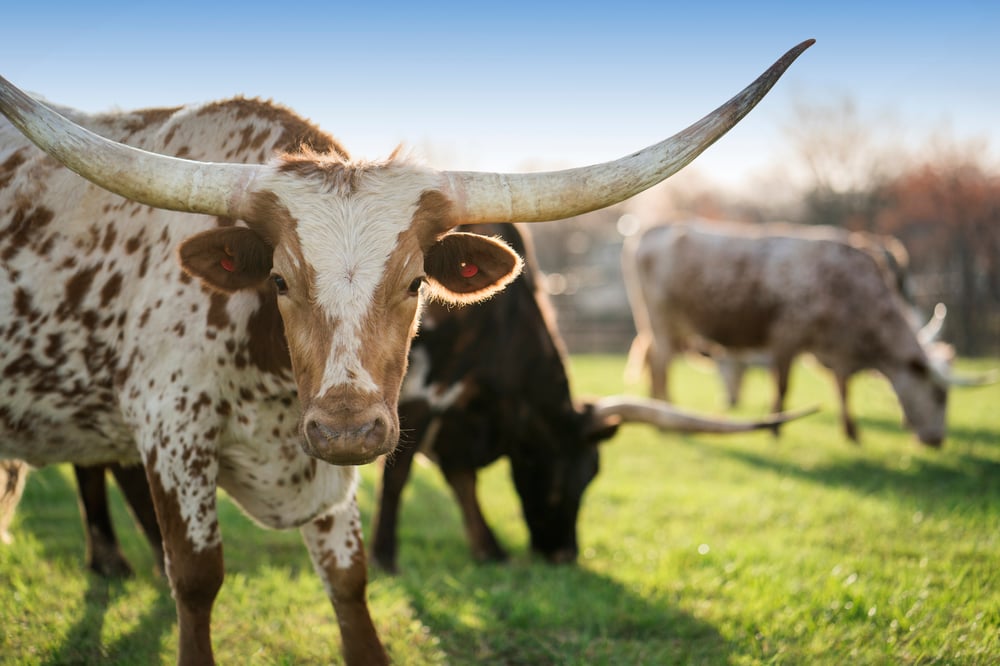
And beef cattle raised on grass produce a leaner healthier meat higher in omega 3s, CLA, precursors to vitamins A and E (such as carotenoids which give the fat a yellow hue) and the antioxidants glutathione and superoxide dismutase; all while being lower in fat and cholesterol than grain-fed cattle. 

Plus, if you’re raising your own animals you have total control over what goes into their bodies— which typically results in less antibiotics and artificial hormones...and that’s good for everyone.

#4: Caring for farm animals protects your mental and emotional health too

You’ve probably read about the health and longevity benefits of house pets, but science shows that farm animals can impact your mental and emotional well-being too.

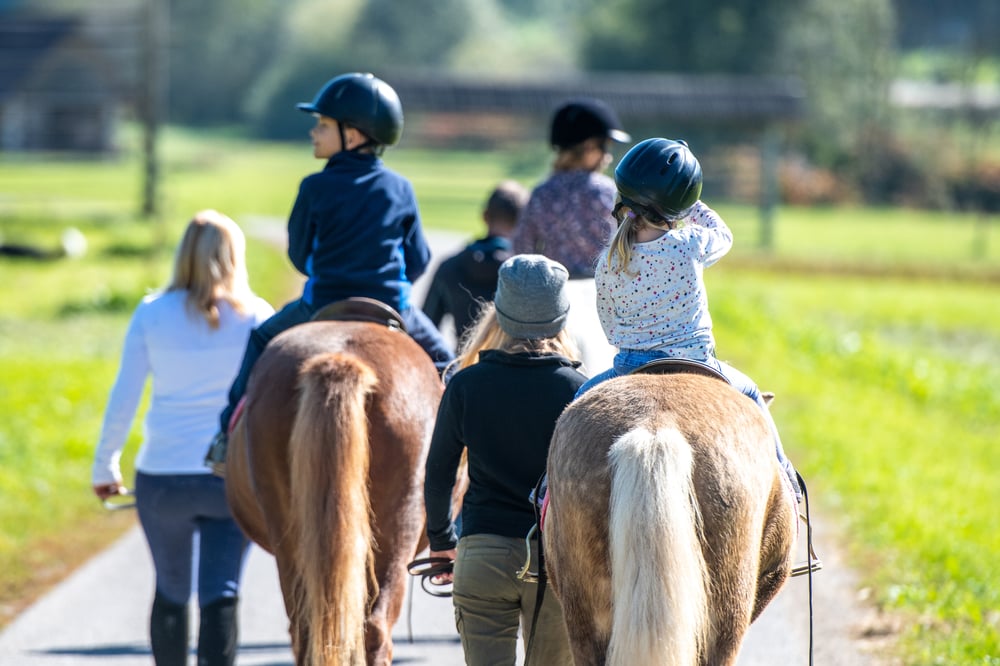
Horses, for example, have long been used as therapy animals for children and adults with disabilities; and horseback riding through equine programs has been shown to help quell stress and anxiety in teens by reducing cortisol levels.

Beyond equine therapy, Care Farms have shown promising benefits for those with mental, emotional, memory and behavioral health issues

A Care Farm is a special non-institutional setting where people can interact with and care for farm animals as part of their healthcare treatment program. On a Care Farm, useful work while interacting with animals forms the basis of the therapy.

The animals on these Care Farms have shown great promise in providing participants with a variety of mental and emotional benefits including: 

  • Meaningful daily occupation
  • A way to connect and create valued relationships
  • Better coping skills
  • Opportunities for reciprocity
  • A distraction from their problems
  • A source of relaxation
  • Enhanced feelings of acceptance and purpose
  • Healthy relationships with other people on the farm
  • Stimulating healthy behavior
  • Opportunities for reflection and feedback

Additionally, farmers on Care Farms have noted the animals provide a “mirror” for the participants, which helps them see how their own behavior and attitudes directly affect others.

Research has also shown Care Farms provide structure, purpose and stimulus which benefit those with dementia.

Care Farms

#5: Farm animals and pets help protect your heart health

Strange, but true. 

Research from the American Heart Association has shown regular interaction with animals benefits your heart health by:

  • Lowering blood pressure and cholesterol
  • Reducing stress
  • Improving physical fitness 
  • Reducing the risk of obesity

Plus, animals provide companionship and purpose—both of which are important in protecting your heart health and longevity.

If you are interested in moving to the country, please feel free to contact the Rural KC Team-Keller Williams Partners, Inc. at 913-837-0760 or 913-837-0411,


Thank you to Kristen Boye with ReThink Rural for this blog post.


Tuesday, November 2, 2021

PAINTING CONCRETE FLOORS


When most people think of flooring, they picture things like carpet, wood flooring, tiles, and other common floor coverings. There are other options available to homeowners though, including concrete floors. While concrete was once seen mostly in places like basements and garages, it’s becoming increasingly common on the main floor of homes as well. Concrete flooring with built-in radiant heating systems is becoming a lot more popular, especially in areas that tend to have more severe winters.

Some people think that concrete flooring is limited in its decorative options, assuming that the only thing you can do with concrete is to apply a sealant or stain. There are other options available, though, including painting the concrete. But be careful before just slapping a coat of paint onto a concrete floor; there are a few things that you should know first.

Prepping the Surface

One of the biggest problems that people have with concrete floors is trying to paint them without having adequately prepped the concrete surface first. In order for paint to adhere to concrete well, the surface needs to be rough enough for the paint to get a good hold, and it also needs to be clean and dry. This can mean a little more prep time than some other types of flooring, but the end results are definitely worth it.

Seal any cracks in the concrete with concrete filler, then sweep the concrete to remove any dust or lose debris. Scrape off any old paint or other materials that are stuck to the floor. Wet the floor with a sprayer or mop, then apply a concrete degreaser and scrub the surface with a stiff-bristled broom to clean it. Rinse well and clean up any excess water with a wet/dry vac so that the surface can dry completely before you start painting.

Painting and Sealing

Once your floor is completely dry, it’s very important to put down at least one or two coats of primer that’s designed for use with concrete before you actually start painting. Tape off all of the baseboards and other areas that you want to protect, then start applying your primer at the edges and work toward the middle. Try to get each coat applied in a single painting session, as you don’t want to let the primer dry in patches that will show through in the final paint application. Allow each coat a chance to dry completely before starting on the next, waiting up to 24 hours if necessary to ensure that it’s fully dry.

Once you’ve applied your primer, it’s time to start painting. Use a concrete-friendly epoxy paint and follow the same application instructions that you used with the primer. Get good coverage along all of the edges before moving in toward the center and allow each coat a chance to dry completely. Once your paint is completely dry, apply a concrete sealer and follow the manufacturer’s directions to ensure that it cures properly. Ventilation and proper masking are especially important for this step, as come sealers can release fumes that you don’t want to breathe.

Understanding the Project Scope

Painting concrete floors can be intimidating because the process is a bit more involved than your standard paint job. If care isn’t taken to ensure that the floor is properly cleaned beforehand and sealed afterward then you can end up with bubbles and peeling paint down the road. Getting all of your materials together before the job starts and following all material instructions will save you a lot of trouble in the long run, since you won’t have to stop to go get something or run into issues with improperly applied coats.

If you have any questions or comments, please feel free to contact the Rural KC Team at 913-837-0760 or 913-837-0411.  Have a great day!